Introduction: The Double-Edged Sword of AI in Security
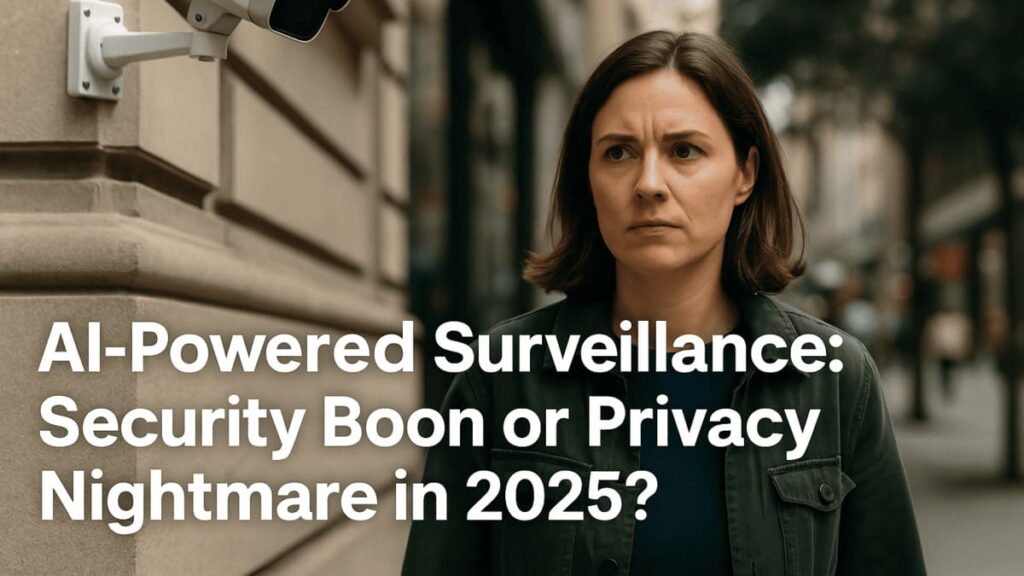
In 2025, AI-Powered Surveillance: Security Boon or Privacy Nightmare has become one of the most pressing debates in technology, law, and society. For some, artificial intelligence is a groundbreaking tool that can detect threats faster than humans ever could. For others, it’s an invisible eye that never sleeps—tracking, analyzing, and potentially judging every move we make. This conversation isn’t just about technology; it’s about trust, freedom, and the delicate balance between safety and privacy.
Read more : Top Antivirus Software for US Users 2025: Protect Your Devices with the Best
Understanding AI-Powered Surveillance
Artificial intelligence has changed the way security systems operate. Gone are the days of grainy CCTV footage that required hours of manual review. Now, AI-powered cameras, sensors, and analytics software can instantly detect suspicious behavior, match faces to databases, and even predict potential incidents before they occur.
How AI Surveillance Systems Work
At the core of these systems are machine learning algorithms trained on massive amounts of visual and behavioral data. The AI identifies patterns, flags anomalies, and sends alerts to human operators—often within seconds.
Key Technologies: Facial Recognition, Predictive Analytics, and IoT
- Facial Recognition: Matches faces against watchlists or public databases in real time.
- Predictive Analytics: Uses past crime and incident data to anticipate where and when risks might occur.
- IoT Integration: Connects cameras, drones, and sensors into a seamless network for 24/7 monitoring.
The Promised Benefits for Security
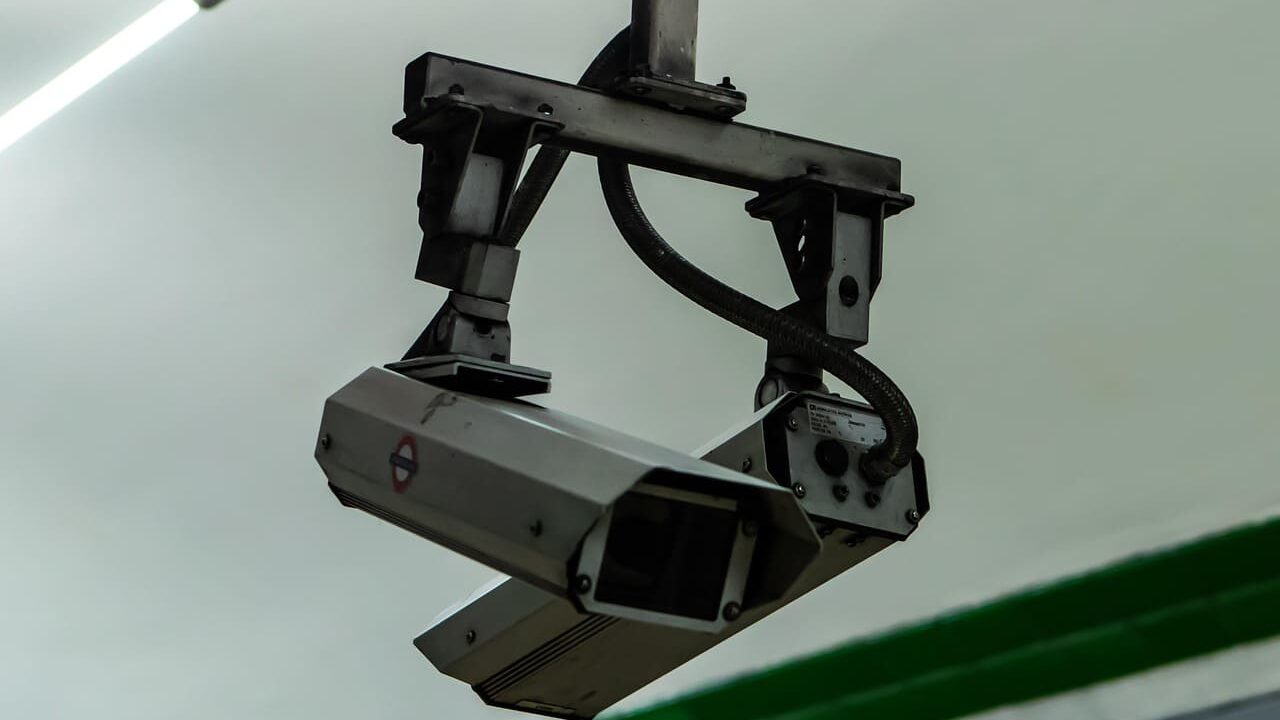
AI-powered surveillance offers unmatched advantages for modern security systems. It can analyze thousands of camera feeds simultaneously, identifying suspicious behavior, abandoned objects, or potential threats in real time. This rapid detection enables authorities to respond faster, often preventing incidents before they escalate. In 2025, AI-driven systems in airports, banks, and public spaces have already reduced theft, fraud, and violence through automated monitoring. Beyond threat detection, AI improves accuracy, minimizing false alarms that often burden human operators. By enhancing both efficiency and reliability, AI-powered surveillance stands as one of the most transformative innovations in global safety management today.
Faster Threat Detection and Response
One of the most significant advantages of AI-powered surveillance is its ability to provide real-time threat detection and instant response. Unlike traditional systems that rely on human monitoring, AI can analyze thousands of video feeds simultaneously, recognizing unusual behavior or potential dangers within seconds. Whether it’s identifying a suspicious object in an airport, detecting a break-in, or alerting authorities about a crowd disturbance, AI drastically reduces reaction times. By filtering out false alarms and prioritizing genuine threats, these intelligent systems help security teams respond faster and more efficiently, ultimately preventing incidents before they escalate into crises.
Crime Prevention Through Predictive Policing
Predictive policing is one of the most significant outcomes of AI-powered surveillance. By analyzing vast amounts of historical crime data, AI systems can identify high-risk areas, potential offenders, and even predict when crimes are likely to occur. This enables law enforcement agencies to allocate resources more efficiently and respond proactively instead of reactively. Cities like Los Angeles and London have already implemented AI-driven models to forecast crime patterns, leading to noticeable reductions in theft and assault cases. However, while predictive policing boosts efficiency, it also raises concerns about bias, data accuracy, and the risk of profiling certain communities unfairly.
Public Safety Improvements
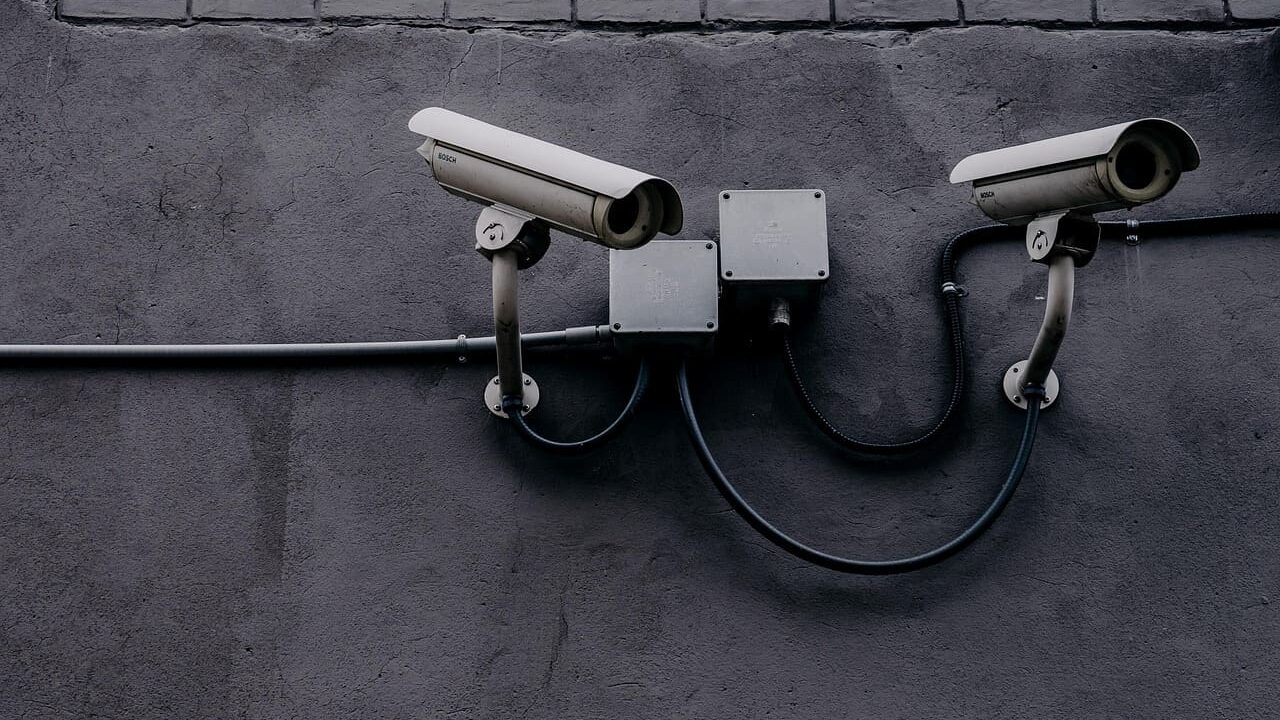
AI-powered surveillance has revolutionized how cities handle public safety in 2025. Advanced monitoring systems can now detect unusual movements, unattended objects, or aggressive behavior in real time, allowing authorities to respond within seconds. From reducing street crimes to managing large public events, AI ensures faster coordination between emergency services. Smart cameras in public transport and crowded areas have helped identify potential threats before incidents occur, preventing accidents and violence. By combining predictive analytics with instant alerts, AI-driven surveillance has transformed urban environments into safer, more proactive spaces for citizens and law enforcement alike.
Read more : Best SaaS Tools for UK Startups in 2025
The Privacy Concerns That Can’t Be Ignored
While the security benefits are undeniable, the trade-offs in privacy can’t be overlooked.
Mass Data Collection and Tracking
AI systems often store vast amounts of personal data, raising concerns about who owns it and how it’s used.
Risk of Government Overreach
History shows that surveillance tools can be misused by authoritarian regimes to suppress dissent and monitor citizens without consent.
Potential for Misuse by Corporations
Private companies can also exploit surveillance data for targeted advertising, employee monitoring, or even discriminatory practices.
Real-World Examples in 2025
AI surveillance isn’t theoretical—it’s already here.
AI Surveillance in Smart Cities
Cities like Singapore and Dubai are integrating AI into traffic cameras, public transport monitoring, and environmental sensors to create safer, more efficient urban spaces.
Use in Law Enforcement and Border Control
From U.S. airports to European border checkpoints, AI systems are scanning travelers’ faces, matching them against databases, and flagging security risks.
Retail and Workplace Monitoring
Some retail stores use AI to prevent shoplifting, while certain companies monitor employee productivity through keystroke tracking and CCTV analysis.

Read more : AI Replacing Human Jobs in 2025: Threat or Opportunity?
The Legal and Ethical Landscape
As technology outpaces legislation, legal systems are struggling to catch up.
Current Regulations Around AI Surveillance
The EU’s GDPR and AI Act impose strict rules on facial recognition and data storage, but many countries still lack comprehensive laws.
Calls for Global Privacy Standards
Experts argue that international guidelines are necessary to ensure AI surveillance respects both human rights and technological progress.
Striking a Balance: Can Security and Privacy Coexist?
The key challenge is finding a middle ground where AI enhances security without eroding personal freedoms.
Transparent AI Systems
Public awareness campaigns and open-source AI models can help citizens understand how surveillance works and what data is being collected.
Public Accountability Measures
Independent oversight boards can audit AI surveillance systems to prevent abuse.
Future Trends and Predictions
Looking ahead, AI surveillance is set to become even more advanced—and controversial.
Emerging AI Surveillance Innovations
Expect AI systems that can analyze voice tone, predict emotional states, and monitor body language.
The Push for Ethical AI
Tech companies are increasingly being pressured to embed ethics into AI design, ensuring transparency, accountability, and fairness.
Frequently Asked Questions (FAQs)
Is AI surveillance legal everywhere?
No, laws vary by country. Some regions have strict regulations, while others have minimal oversight.
Can AI surveillance be hacked?
Yes. Like all digital systems, it’s vulnerable to cyberattacks if not properly secured.
Does AI surveillance always involve facial recognition?
Not always—AI can also analyze patterns, objects, and behaviors without identifying individuals.
Who controls the data collected by AI surveillance?
It depends on jurisdiction and ownership, but this is one of the biggest concerns for privacy advocates.
Is AI surveillance 100% accurate?
No, false positives and biases can occur, especially in facial recognition systems.
Will AI surveillance replace human security workers?
Not entirely—it’s more likely to work alongside humans, enhancing their capabilities.
Read more : Exploring ChatGPT-5: A Deep Dive into the Future of Conversational AI in August 2025
Conclusion: Boon or Nightmare? The Final Verdict
In the end, AI-Powered Surveillance: Security Boon or Privacy Nightmare is not a question with a simple answer. The technology offers incredible potential to keep us safe, but without strong legal safeguards, it also risks creating a society where every move is watched and recorded. The real challenge for 2025 and beyond is ensuring that AI serves humanity—not the other way around.